Questions? Quote, Call or Chat Now.

1-844-567-9909
Close-up of a tree with emerald ash borer damage
Tree & Shrub Care

Effective Tree Disease Treatment and Diagnosis

Effective Tree Disease Treatment and Diagnosis

Key Takeaways

  • Early diagnosis is one of the best ways to protect your trees. Yellowing leaves, dead branches, cracked bark and fungal growth can all be early warning signs of tree disease.
  • Accurate diagnosis matters before choosing a treatment. Tree diseases and pest damage often produce similar symptoms, and the right solution depends on identifying the underlying cause.
  • Proper tree care can help prevent many common diseases. Regular watering, pruning, mulching and healthy soil conditions help reduce stress and improve a tree's natural resilience.
  • Treatment options vary based on the disease and its severity. Pruning, fungicides, improved root care and professional tree services may all play a role in managing different tree diseases.
  • Professional care can help protect your landscape investment. When disease is widespread, difficult to identify or threatens valuable trees, expert diagnosis and customized treatment can help improve long-term tree health.

Healthy trees add beauty and value to your landscape, but diseases can quickly affect their appearance and long-term health. The key to successful tree disease treatment is identifying the problem early. Many diseases share similar symptoms, so knowing what to look for can help you choose the right treatment before the damage becomes more severe.

This guide covers common warning signs, treatment options and ways to help protect your tree's health. 

How Do You Know if Your Tree Has a Disease?

Hands touching part of small diseased tree shrub

Many tree diseases produce visible symptoms before they cause significant damage. Catching problems early gives you the best chance of protecting an affected tree.

Common Signs of Tree Disease

Watch for these common signs:

  • Yellow, brown or spotted leaves
  • Early leaf drop or thinning canopies
  • Dead or dying branches
  • Cracked or peeling bark
  • Weeping cankers or fungal growth on the trunk
  • Mushrooms growing near the roots
  • Slow growth or declining tree health

Some symptoms point to specific problems. For example, leaf spot causes dark spots on foliage, while root rot often leads to thinning leaves, branch dieback and poor growth.

Disease vs. Pest Damage

Not every sick tree has a disease. Tree pests can produce similar symptoms, and some insects spread diseases such as Dutch elm disease. Because treatment varies, accurate diagnosis is important before applying a fungicide or other control method.

If you're unsure what's affecting your landscape, learn what to expect from your shrub and tree service to see how professionals diagnose tree problems. 

Common Tree Diseases Homeowners Should Know About

While hundreds of diseases affect trees, these are among the most common. Healthy, well-maintained trees can enhance curb appeal and even increase property value, making early disease detection an important part of protecting your landscape investment.

Oak Diseases

Oak wilt disrupts water movement within the tree, causing dieback in the canopy, leaves to drop in the late summer and can eventually kill the tree. Oak leaf blister is another fungal disease that creates raised spots on leaves but is generally less severe.

Pine & Spruce Tree Diseases

Needle blight and needle cast cause evergreen needles to brown and drop prematurely. Left untreated, repeated infection can weaken the tree over time.

Maple Tree Diseases

Anthracnose and tar spot commonly affect maple trees. Both cause leaf damage, although tar spot is usually cosmetic.

Root Rot and Soil-Borne Diseases

Root rot attacks the root system, reducing the tree's ability to absorb water and nutrients. As the disease progresses, the affected tree may become unstable and potentially die.

Ornamental Tree Diseases  

Some crabapples can be susceptible to applescab disease on the leaves as well as Fireblight that can kill new growth on many flowering trees including crabapples and cherries. 

5 Tree Disease Treatment Methods Homeowners Should Know

The right tree disease treatment depends on the type of disease, the tree species and how advanced the infection is. While some problems can be managed with proper tree care, others require professional disease management.

1. Prune Infected Branches

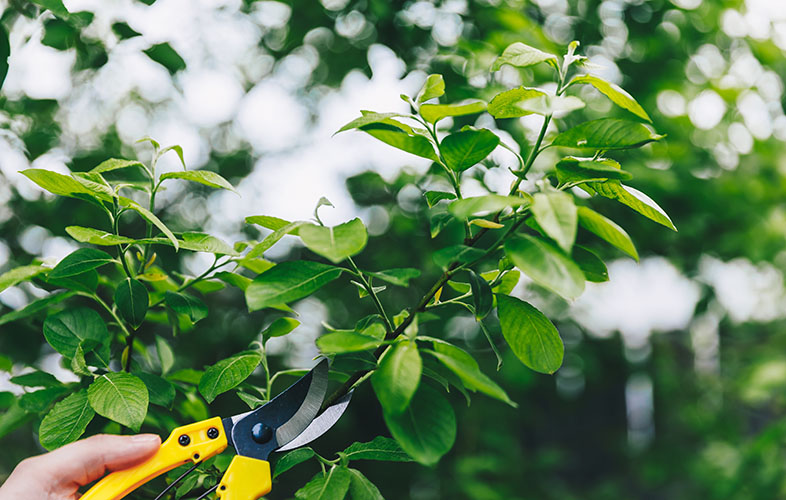
Pruning can help slow the spread of certain diseases by removing dead or diseased wood. Cut back each infected branch well below the damaged area, and disinfect pruning tools between cuts to help prevent spreading the disease.

Proper tree pruning also improves airflow through the canopy, creating conditions less favorable to many fungal diseases.  

2. Apply Fungicides When Appropriate

A fungicide may help prevent or manage some fungal diseases, but timing is critical. Most products work best before an infection becomes severe. In some cases, a systemic fungicide may be recommended because it moves throughout the tree to provide longer-lasting protection.

Always follow product directions, as not every disease responds to fungicide treatments.

3. Improve Soil and Root Health

Healthy roots support a healthy tree. Water deeply during dry weather, apply mulch around the base and avoid damaging the base of the trunk. These practices can reduce stress and make trees more resilient to disease.

If root rot is already present, improving drainage and reducing excess soil moisture may help slow its progression.

4. Consider Professional Treatment

Some diseases and insect-caused infections require specialized equipment or treatments that homeowners can't safely apply. Professional tree service providers and a certified arborist can diagnose the problem and recommend targeted treatment options based on your tree's condition.

5. Remove Trees That Can't Be Saved

Unfortunately, not every diseased tree can recover. If decay is extensive, the trunk has become unstable or the root system is severely damaged, tree removal may be the safest option. Removing a severely infected tree can also help protect nearby healthy trees from certain diseases. 

When Is the Best Time of Year to Treat Tree Diseases?

The best time to treat a tree disease depends on the type of disease and the recommended treatment.

Spring

Spring is ideal for protecting new growth and applying preventative fungicides before many fungal diseases become established on new leaves and needles.

Summer

Warm weather can increase stress on trees and encourage some diseases and insect activity. Continue monitoring for new symptoms and water trees during dry periods to support tree health.

Fall

Fall is a good time to remove fallen leaves, prune damaged branches and clean up plant debris that may harbor disease-causing fungi over winter.

Winter

For many tree species, winter dormancy can be a good time to prune dead or damaged branches and prepare for preventative treatments before diseases become active in spring. 

Can a Diseased Tree Be Saved?

Close-up of leaves on a diseased tree

In many cases, yes. A diseased tree can often recover if the problem is identified early and treated appropriately.

The likelihood of recovery depends on several factors, including the tree species, the type of disease, the severity of the infection and the tree's overall health. While many diseases can be managed successfully, advanced root rot, severe canker disease and extensive decay may permanently damage a tree. 

How to Prevent Tree Diseases Before They Start

Keeping trees healthy is often the best defense against disease. Good preventative care can reduce stress and make trees more resilient to infection.

To help protect your trees:

  • Water deeply during dry weather
  • Apply mulch properly, keeping it away from the trunk
  • Avoid damaging the trunk and roots
  • Prune dead or damaged branches as needed
  • Monitor for tree pests and disease symptoms
  • Improve soil conditions when needed
  • Follow recommended tree and shrub care steps throughout the year

Regular inspections can also help identify problems before they become more difficult to manage. 

Frequently Asked Questions About Tree Disease Treatment

How do you treat tree disease?

Treatment depends on the disease but may include pruning, fungicides, improving soil conditions or professional care. Accurate diagnosis is the first step.  

Can a diseased tree be cured?

Some diseases can be successfully managed, especially when caught early. Others cannot be cured but may be controlled to slow their progression.

How do you get rid of tree fungus?

Treatment varies by the type of fungus. Pruning infected areas when the tree is dormant, improving airflow and applying an appropriate fungicide may help manage some fungal infections.

What kills tree fungus naturally?

Improving growing conditions, removing infected plant material and reducing excess moisture may help limit fungal growth. However, natural methods are not effective for every disease.

Will a diseased tree infect nearby trees?

Some diseases spread from infected trees through insects, root systems or airborne spores, while others remain isolated. Early diagnosis can help reduce the risk of spread.

Is it too late to save a tree with root rot?

Not always. Trees with mild root rot may recover if the problem is addressed early. Severe root damage often limits treatment options.

How much does tree removal cost?

The cost of tree removal varies depending on the tree's size, location, condition and complexity of the job. A professional inspection can provide an accurate estimate. 

Protect Your Trees with Professional Tree and Shrub Care

TruGreen Tree & Shrub Care specialist treating trees for disease

Healthy trees start with proactive care. Regular inspections, proper maintenance and early treatment can help prevent small issues from becoming costly problems while keeping your landscape looking its best.

If you've noticed signs of disease or simply want to protect your investment, TruGreen's tree and shrub specialists can identify potential concerns and recommend customized care for your landscape. Learn more about TruShrub Tree & Shrub Care and discover how professional care can help your trees thrive season after season. 

Get a custom quote.
Our experts really know their stuff. They can help you pick a plan, tailor it to your needs, and give you a quote based on your property’s size and location.
Yes


Loading...