



- Treating ants outside starts with reducing food sources and blocking entry points.
- Ant hills can signal a colony containing tens of thousands of ants.
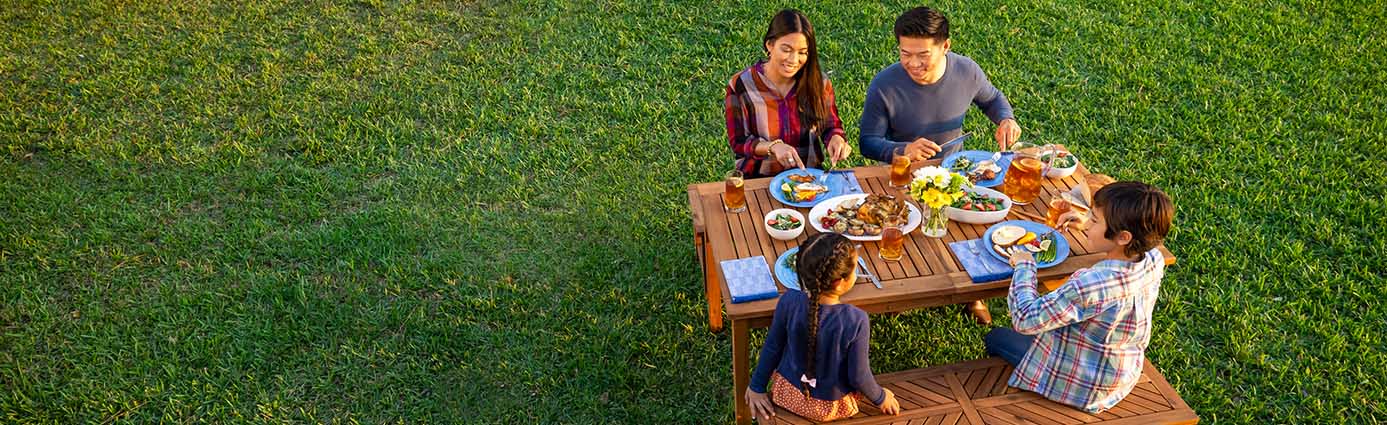
- Clean up food and spills after outdoor meals to avoid attracting ants.
- Remove ripe or fallen fruit to reduce food sources for outdoor ants.
- Seal cracks in paved areas to discourage ants from nesting there.
- Prune trees and shrubs near doors and windows to help block ant entry.
As far as pests go, ants are among the more innocuous. They seldom bite, they rarely sting and they’re unlikely to damage your property (fire ants being an exception). That being said, they can be annoying — especially if they’re seemingly taking over your outdoor living space. Ant hills can be unsightly, especially on an otherwise-pristine lawn. And if they’ve taken up residence near an entryway, there’s the risk of them entering your home (where they’re even less welcome).
Thankfully, proper ant control can help keep ant populations at bay and prevent those unwanted visitors from entering your home. Here, we’ll explain how to tell if you’re dealing with a normal ant population or a potential ant problem. You’ll also learn about what attracts ants to your yard and how the TruGreen®'s TruBarrier℠ Perimeter Pest Control program can help keep ants from entering your home. Find everything you need to know about effective outdoor ant control ahead.


 Back to all blogs


Facebook
X
Youtube
Copy Link
Email