Preventing drought stress starts with building a more resilient lawn. Along with proper mowing, watering and seasonal care, TruGreen may recommend Lawn Stress Guard, a specialized treatment designed to help grass better tolerate heat and moisture stress.
The Best Grass Height for Drought Resistance
Maintaining cool season grass types at approximately 3.5 to 4 inches during warm weather helps conserve moisture and protect roots from heat. Taller blades also promote deeper root growth, improving drought resistance over time.
Why Sharp Mower Blades Matter
Sharp mower blades create clean cuts that heal quickly. Dull blades tear grass, increasing water loss and making drought grass more susceptible to disease, pests and long-term stress.
Seasonal Lawn Preparation for Drought Prevention
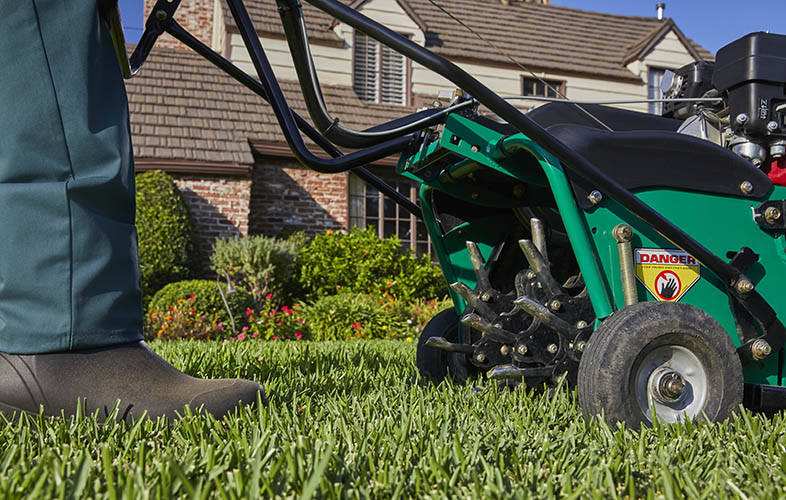
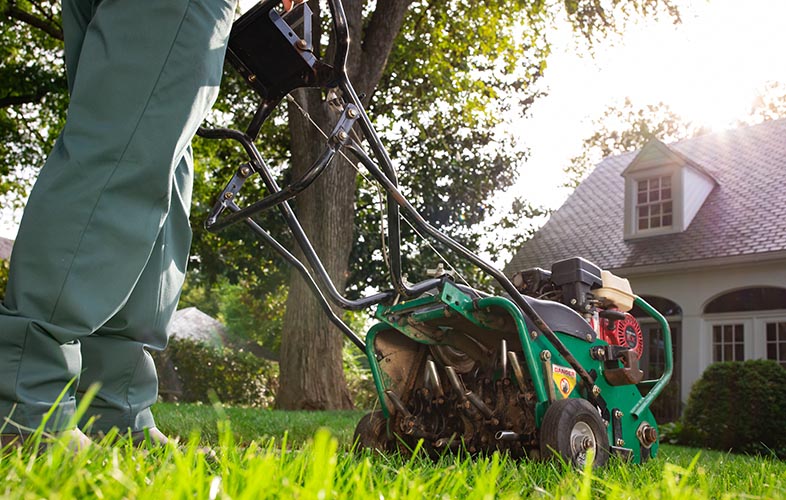
The most drought-resistant lawns are built outside of summer. Fall and early spring lawn care strengthens roots, improves soil structure and creates healthier turf that’s better equipped to handle dry conditions later in the season.
Planting Drought-Tolerant Grass Varieties
Choosing the right grass type can make a significant difference in how well your lawn handles dry conditions. Some grasses naturally require less water and develop deeper root systems, helping them tolerate drought stress more effectively.
A lawn care professional can help determine which drought-tolerant grass varieties are best suited to your region, soil conditions and climate. When combined with proper mowing, watering and seasonal care, selecting the right grass can improve long-term resilience and reduce the impact of future droughts.





 Back to all blogs


Facebook
X
Youtube
Copy Link
Email